a Hydrogen factory with energy storage concept. Green hydrogen production from renewable energy sources. this could be a major player in the energy transition

The Global Energy Transition in Action

By | Featured

Rethinking Crude During Energy Transition

As the world races toward a low-carbon future, the global energy transition is reshaping how we extract, process, and utilize hydrocarbons. Gone are the days when maximizing gasoline and diesel production from crude oil was the norm. Today, innovation is driving a shift toward producing higher-value, lower-carbon outputs while integrating circular economy principles and emerging technologies like carbon capture and green hydrogen.

Minimizing Gasoline and Diesel: A Strategic Pivot

Historically, petroleum refining focused heavily on producing gasoline and diesel—the lifeblood of transportation. However, as electrification of vehicles accelerates and governments impose stricter emissions regulations, demand for traditional fuels is expected to decline. Refineries are responding by redesigning operations to minimize gasoline and diesel output, instead aligning with future market demands.

Maximizing High-Value Products: Jet Fuel, Lubricants, and Petrochemicals

Refiners are now prioritizing the maximization of jet fuel, lubricants, and petrochemical feedstocks, which are less likely to be displaced by electrification in the near term. Jet fuel, in particular, remains critical for aviation—a sector without a clear electric alternative. Meanwhile, demand for chemicals used in packaging, electronics, and construction continues to rise, especially in emerging markets. This shift represents both an economic and environmental opportunity to create more value from every barrel of crude.

Carbon Capture and Utilization: Turning CO₂ into a Resource

Another pillar of the transition is carbon capture, utilization, and storage (CCUS). Capturing CO₂ emissions from industrial sources and converting them into useful products—such as synthetic fuels, building materials, or even chemicals—is gaining traction. This technology offers a dual benefit: it reduces greenhouse gas emissions while generating economic value, supporting both decarbonization goals and sustainable growth.

Green Hydrogen: Efficient H-O-H Bond Breakage

The efficient splitting of water molecules (H₂O) to produce green hydrogen—using renewable energy—is a game-changer. Green hydrogen serves as a clean fuel and a key feedstock for decarbonizing hard-to-abate sectors like steel, cement, and ammonia production. With advancements in electrolysis and catalyst technologies, the breakage of the H-O-H bond is becoming more energy-efficient and commercially viable.

Circular Economy and Sustainability: Closing the Loop

Sustainability is no longer optional—it’s a core business imperative. The global energy sector is adopting circular economy principles, emphasizing the reuse, recycling, and responsible management of resources. From plastics recycling to the recovery of rare materials and water, energy producers are building closed-loop systems that reduce waste and extend resource lifecycles.

The Future of Energy: Integrated, Low-Carbon, and Resilient

This energy transition is not merely a technological shift—it’s a transformation of business models, supply chains, and societal expectations. Companies that embrace low-carbon solutions, invest in advanced refining techniques, and integrate renewable energy with circular practices are positioning themselves for long-term success.

The path forward is clear: reduce fossil fuel dependency, maximize resource value, and innovate toward net-zero. The energy systems of tomorrow will be more efficient, more sustainable, and more aligned with the planet’s needs.

Here at Optima Chemical we are supporting the drive from Innovators and Global Technology leaders alike to realize their ambitions, be it in new catalyst development to maximize crude oil utilization, new process technology to capture and use CO₂ or the myriad of yet to be developed solutions for a sustainable future. Take a moment to see how Optima Chemical’s broad chemistry, engineering and custom manufacturing expertise can help you take the next step in your journey.

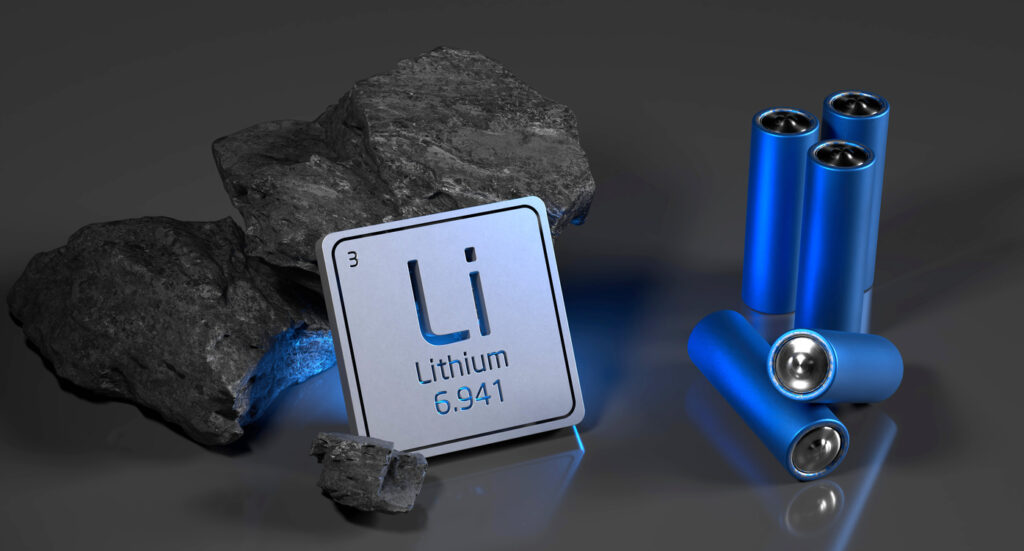
image of LI for lithium scientific code with blue batteries and lithium rocks. Black mass recovery and recycling is a process used for recovering metals from spent batteries.

Optima supports Black Mass recycling and battery recovery development

By | Featured

Recycling lithium-ion batteries has several benefits, including reducing the demand for new raw materials, lowering the environmental impact of mining, and reducing the amount of hazardous waste that would otherwise end up in landfills.

Chemical separation, Black Mass recovery, is one of the techniques used in the recycling of batteries to recover valuable metals like lithium, cobalt, nickel, and copper. The process involves the use of chemicals to selectively dissolve and extract metals from the battery materials.

One common chemical separation process used in battery recycling is hydrometallurgy, which involves the use of aqueous solutions to dissolve and extract metals from battery materials. The process typically involves several steps, including:

  1. Leaching: The shredded materials are then treated with an acidic or alkaline solution to dissolve
    the metals.
  2. Purification: The dissolved metals are purified to remove impurities and other metals that are
    unwanted.
  3. Recovery: The purified metals are then recovered from the solution by precipitation or electro-
    winning.

The recovered metals can then be further refined and processed into high-purity materials that can be used in the production of new batteries or other products. The choice of technique depends on the type of battery and the specific metals that need to be recovered.

Optima has assisted several companies in developing specialty cathode materials and battery additive materials and are now working with companies on how to solve the recycling of the metals back into the battery. We have successfully developed the pilot processes and commercial process for these chemistries. Maybe we can assist you in solving problems and developing your commercial process.
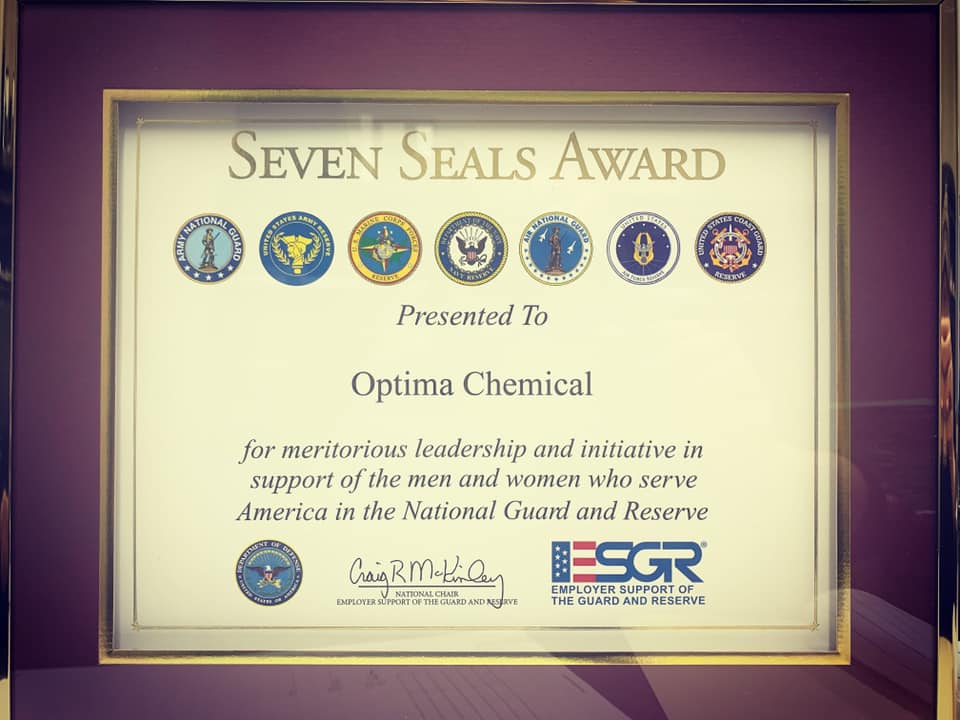

Optima Chemical Selected as Recipient of Seven Seals Award

By | Events, Featured, News & Info

Optima has just been selected as the recipient of the Seven Seals Award, which is an award given to the selected employer for supporting the National Guard and Reserve Component Service Members. We have had several past employees who were in the National Guard, and Optima worked with them to accommodate their schedules when they were called out on duty. The Office of the Secretary of Defense has chosen us as the Employer who most exemplifies the qualities of a Supportive Employer.